

The dream of a college education is often accompanied by a daunting financial reality. For many, a student loan is the necessary bridge between that dream and a four-year degree. While the process of securing a loan can feel overwhelming, understanding the ins and outs of student lending is a crucial step toward making a smart, informed decision that will set you up for long-term financial success. A student loan is not just a debt; it is a powerful investment in your future earning potential, and when managed wisely, it can be a tool for empowerment, not a burden. This comprehensive guide is designed to be your college compass, demystifying the student loan journey from the initial application to the final repayment. We will explore the different types of loans, provide a step-by-step blueprint for the application process, and outline a variety of repayment strategies to help you navigate this complex financial landscape with confidence.
A Student Loan Primer
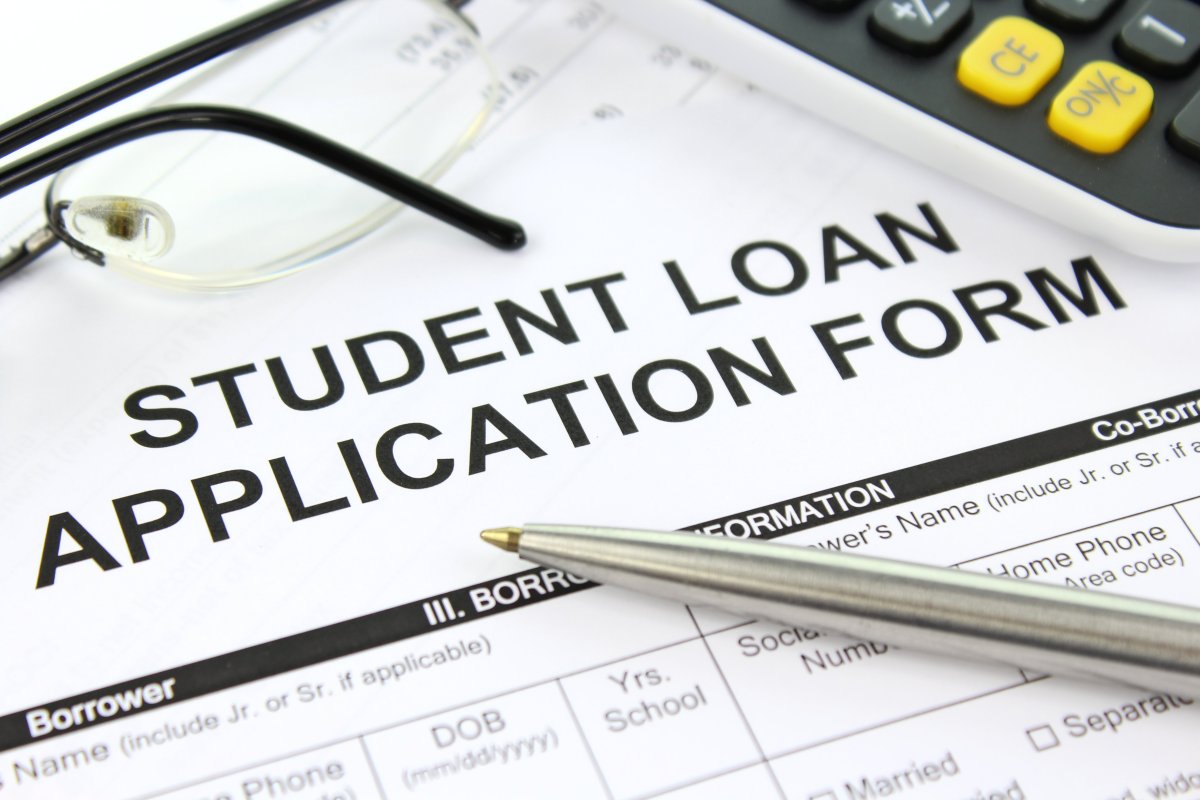
Before you can apply for a loan, you must understand the language of student lending. Knowing the key terms and concepts will give you the confidence to navigate the financial aid process and find a loan that is right for you.
A. Federal vs. Private Loans: A Tale of Two Lenders
The student loan landscape is divided into two primary categories, each with a unique set of pros and cons.
- Federal Student Loans: These loans are funded by the U.S. government. They are often the best choice for students due to their flexible repayment options, lower interest rates, and more generous protections. You do not need a credit check or a co-signer to get a federal loan.
- Private Student Loans: These loans are offered by private lenders, such as banks or credit unions. They often require a good credit score and a co-signer to get a favorable interest rate. While they can sometimes offer lower interest rates than federal loans for borrowers with excellent credit, they offer far fewer protections, such as income-driven repayment plans or loan forgiveness programs.
B. Subsidized vs. Unsubsidized: The Interest Rate Distinction
This is a critical distinction to understand when applying for federal student loans. It determines when interest begins to accrue on your loan.
- Subsidized Loans: The U.S. Department of Education pays the interest on these loans while you are in school at least half-time, during your grace period (the six months after you leave school), and during a period of deferment. This is the best option for students as it saves you money in the long run.
- Unsubsidized Loans: With these loans, interest begins to accrue the moment the loan is disbursed. It continues to accrue while you are in school, during the grace period, and during any deferment. The interest is added to your loan balance, and the total amount you owe will be higher.
C. Understanding Interest and APR
Interest is the cost of borrowing money. It is the fee you pay to the lender for the privilege of borrowing their money. The interest rate is expressed as a percentage of the loan amount. The Annual Percentage Rate (APR) is the true cost of the loan, including the interest rate and any fees. You should always focus on the APR when comparing loan offers.
- Fixed vs. Variable Rates: A fixed interest rate stays the same for the entire life of the loan. This means your monthly payments will be predictable and will never change. A variable interest rate can fluctuate over time based on market conditions. While a variable-rate loan may start with a lower interest rate, it comes with the risk that your payments could increase in the future. For a student loan, a fixed rate is often the safest bet.
D. The Role of the FAFSA
The Free Application for Federal Student Aid (FAFSA) is the most important document you will fill out on your college journey. It is used to determine your eligibility for federal student aid, including grants, scholarships, and federal student loans. You should fill it out every year you are in school, regardless of your or your family’s financial situation, as it is the gateway to all federal aid programs.
The Application and Management Process
Once you have a firm grasp of the fundamentals, it’s time to take action. The application process is straightforward, but taking a strategic approach can save you a significant amount of money in the long run.
A. A Step-by-Step Application Guide
- Start with Federal Loans: You should always apply for federal student loans first. They offer more protections and generally have lower interest rates. Fill out the FAFSA, and the Department of Education will inform you of the amount you are eligible for.
- Explore Private Loans: If you need more money than you are offered through federal loans, you can look for a private student loan. You should shop around and get quotes from multiple lenders to compare interest rates and fees.
- Review Your Offers: Before you accept a loan, read the fine print. Pay close attention to the APR, the loan term, and any fees. Do not accept a loan that has a prepayment penalty, which is a fee for paying the loan off early.
- Accept Only What You Need: A student loan is a major financial commitment. You should only borrow what you absolutely need to pay for your education. Every dollar you borrow must be paid back with interest.
B. How to Minimize Your Borrowing
The best student loan strategy is to borrow as little as possible. Here are a few ways to cut down on the amount you need to borrow.
- Apply for Scholarships and Grants: These are forms of financial aid that you do not have to pay back. You should apply for as many as you can, as they can significantly reduce the amount you need to borrow.
- Work Part-Time: A part-time job during school can provide you with extra money to pay for expenses and can reduce the amount you need to borrow.
- Choose a State School: State schools are often more affordable than private schools and can help you save a significant amount of money.
- Live at Home: If possible, living at home for your first year or two of college can save you a significant amount of money on room and board.
C. The Loan Disbursement and Grace Period
Once you have accepted a loan, the money is disbursed directly to your school. The school will then use the money to pay for your tuition, fees, and room and board, and any remaining money will be given to you to pay for books and other expenses. After you graduate or drop below half-time enrollment, you will have a grace period (usually six months) before you have to start making payments on your loan.
Repayment Strategies

Once you graduate, it’s time to start thinking about repayment. A well-thought-out repayment plan is the key to paying off your loans efficiently and without unnecessary stress.
A. Federal Repayment Plans
Federal student loans come with a variety of repayment plans to fit your unique situation.
- Standard Repayment Plan: This plan has a fixed monthly payment and a 10-year term. It’s the fastest way to pay off your loans and saves you the most money in interest.
- Graduated Repayment Plan: This plan starts with a lower monthly payment that gradually increases over time.
- Income-Driven Repayment Plans: These plans cap your monthly payment at a percentage of your discretionary income. They are a great option for those who have a low income and a high loan balance.
- Public Service Loan Forgiveness (PSLF): This program forgives the remaining balance on your federal student loans after you have made 120 qualifying payments while working for a qualifying government or non-profit organization.
B. Debt Consolidation and Refinancing
If you have multiple student loans with different interest rates and monthly payments, you can consider debt consolidation or refinancing. Consolidation combines your federal loans into a single new loan with a single monthly payment. Refinancing replaces your old loans with a single new loan from a private lender. Refinancing can often get you a lower interest rate, but you will lose the protections of federal student loans.
C. Strategic Repayment Methods
In addition to your repayment plan, you can use these two popular methods to pay off your loans faster.
- The Debt Snowball Method: You make the minimum payment on all your loans and throw any extra money at the loan with the smallest balance. Once that loan is paid off, you “snowball” that payment into the next smallest loan. This method is great for staying motivated.
- The Debt Avalanche Method: You make the minimum payment on all your loans and throw any extra money at the loan with the highest interest rate. This method saves you the most money in the long run.
Conclusion
A student loan is a serious financial commitment, but it is also a powerful tool that can help you invest in your future and unlock your full potential. The journey from the initial application to the final repayment can seem long, but with a clear understanding of the different types of loans, the application process, and the repayment strategies, you can navigate it with confidence.
Ultimately, a student loan is an investment in yourself, your education, and your future. By taking the time to make a smart, informed decision, you are not just getting a loan; you are taking control of your financial destiny. So, use this guide as your compass, make a plan, and take the first step toward a brighter, more secure future.